Management and Treatment of Smallpox:
- Isolation: Infected persons were immediately isolated to prevent the spread of the disease.
- Supportive Care: Since there was no definitive cure for smallpox, treatment mainly revolved around supportive care, which included hydration, pain management, and treating secondary bacterial infections if they occurred.
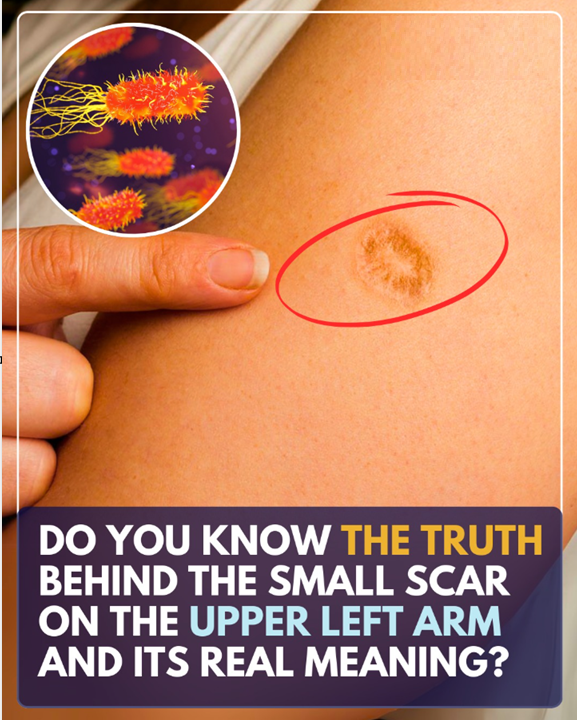
- Vaccination: The smallpox vaccine, made from the live vaccinia virus (a “cousin” virus to variola), was the primary prevention method. It was discovered that if administered within a few days of exposure, the vaccine could also reduce the severity of the disease or even prevent it.
- Antiviral Drugs: Although not commonly used, some antiviral drugs, like cidofovir, showed potential in laboratory settings against the variola virus.
- Avoidance of Aspirin: Children with smallpox or those recently vaccinated against it were not given aspirin due to the risk of Reye’s syndrome.
- Skin Care: Proper care of the skin and eyes was essential to minimize complications and secondary infections.
By the late 20th century, thanks to massive global vaccination campaigns, smallpox was eradicated. The last naturally occurring case was in 1977. Presently, the smallpox vaccine is not part of routine vaccination schedules due to the disease’s eradication.
Continued on next page//
